
Description
🍵 Matcha Powder🇯🇵 Izu Peninsula☕ Strong Caffeine🥄 Whisk Preparation
Stone-ground Japanese matcha from the Izu peninsula — the powdered green tea where the leaf is consumed whole. Vibrant green, vegetal, built for whisk or latte.
Matcha is the only tea on Earth where the leaf isn’t strained out — it’s ground to a fine powder and whisked into the water, so the entire leaf is consumed in the cup. The process starts with shade-growing: the tea bushes are covered for several weeks before harvest, which forces the plant to produce more chlorophyll and theanine, deepening the colour and the umami character. The shaded leaves are steamed, dried, de-stemmed, and then stone-ground between granite mills — a slow process that produces about 30 grams per hour. The resulting powder is bright, almost neon green; the cup is thick, vegetal, faintly sweet, with a long umami finish.
The Sampson Izu is a peninsula matcha sitting between ceremonial and culinary grade. It’s smooth enough to whisk straight (½ teaspoon, 60 ml hot water, bamboo chasen, W-motion until frothy) and structured enough to stand up in a latte. Vivid green colour and a quick froth are the visual markers of proper grinding and storage.
🍃
Stone-Ground
Granite-mill processing, slow and traditional
🌱
Shade-Grown
Pre-harvest shading deepens chlorophyll and umami
🥄
Whisk or Latte
Smooth enough to whisk straight, structured for lattes
✨The Sampson Promise
We only put ingredients in our products that we would use on our own family. Every ingredient has a purpose. If it doesn’t need to be there, it isn’t.
Type
Powdered Green Tea
Caffeine
Strong
Origin
Izu Peninsula, Japan
Format
Stone-Ground Powder
Whisk Ratio
½ tsp / 60ml water
Servings
~25 bowls (30g)
Tasting Notes
🌱
Vegetal & Umami
Body
A thick, almost soup-like mouthfeel — this is what consuming the whole leaf does. The flavour is bright vegetal up front, with a long, savoury umami back-end that lasts after the swallow.
🍯
Soft Sweet Edge
Aroma
Smells of fresh-cut grass and a faint sweetness — the shade-growing pulls the bitterness down. Quality matcha is sweet-grassy, not bitter-grassy.
💚
Green-On-Green
Visual
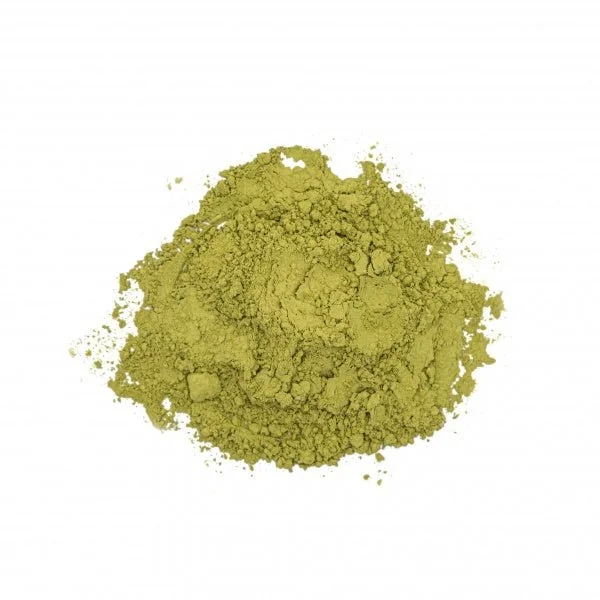
A proper matcha is bright, almost neon green. Dull or yellowish powder means low-quality leaves or oxidised storage. The Sampson Izu shows the vivid colour the powder should have.
How to Brew
01
Sift
Sift ½ teaspoon (about 1g) of matcha into a bowl through a fine sieve. Matcha clumps in the bag; sifting is the difference between a smooth cup and a lumpy one.
02
Add Hot Water
Heat water to about 80°C (175°F) — boiling water makes matcha bitter. Pour 60 ml (about 2oz) over the sifted powder.
03
Whisk W-Motion
Use a chasen (bamboo whisk) and whisk briskly in a W-motion across the bowl, not in circles. About 15 seconds. The cup should froth into a fine, persistent green foam.
Water
80°C
Whisk Time
~15 sec
Per Bowl
½ tsp
For a latte: whisk the matcha with 60 ml hot water first to fully dissolve, then pour over warmed milk. Whisking matcha directly into milk doesn’t work — the powder needs water to bloom first.
About the Tea
🍃
Shade-Grown Leaf
The Source
Tea bushes covered for ~3 weeks before harvest. The shading triples the chlorophyll, increases theanine (the umami amino acid), and decreases catechins (the bitter compounds). The leaves come out darker green, sweeter, more savoury than standard green-tea leaf.
⚙️
Stone-Ground
The Process
Granite mills grind the de-stemmed leaf into a fine powder at about 30 grams per hour. The slow grind keeps the heat low and preserves the volatile aromatics. Industrial grinders are faster but heat-damage the powder.
🌊
Izu Peninsula
The Origin
Izu sits southwest of Tokyo, on the Pacific coast — a peninsula with a milder, maritime climate than the inland matcha regions of Uji or Nishio. The tea grown here has a slightly softer, less assertive umami character than Uji matcha, which makes it work well for both whisked and latte preparations.
In the tin
Stone-ground Japanese green tea powder.
Origin & Sourcing
Stone-ground matcha from the Izu peninsula in southwest Japan, processed in the standard matcha method — shade-growing, steaming, de-stemming, slow stone-grinding. Packed in small, oxygen-protective batches for the Sampson shelf. Matcha is light- and oxygen-sensitive — store cold and use within a few months of opening.
Reviews
There are no reviews yet.